A shorter Denver commute does not have to mean paying Denver prices or giving up the extra room many buyers want. If you are trying to balance access to downtown with a more suburban home search, Thornton deserves a serious look. With direct rail access, freeway-oriented park-and-ride options, and a wider range of housing types, it can offer a practical middle ground. Let’s dive in.
Why Thornton works for Denver commuters
Thornton gives you a different value equation than Denver’s denser core. According to the U.S. Census QuickFacts for Thornton, the city had an estimated 2024 population of 146,689 and 35.92 square miles of land area, with a 71.4% owner-occupied housing rate and a median owner-occupied home value of $517,500.
That compares with Denver’s 48.8% owner-occupied rate and $616,000 median owner-occupied home value in the same source. For buyers, that often translates to a market with more ownership-focused housing stock and a lower typical value point than Denver, while still keeping the city within reach.
Thornton is also planning around mobility, not just growth. The city’s functional and strategic master plans highlight goals tied to multimodal transportation and a broader mix of residential product types, which matters if you want more than one way to get around.
N Line access changes the equation
For many Denver-bound buyers, the biggest advantage in Thornton is the RTD N Line. RTD describes it as a 13-mile electric commuter rail line that will ultimately extend to 18.5 miles, connecting Union Station with Commerce City, Northglenn, Thornton, and North Adams County.
Service frequency is another reason buyers pay attention to it. RTD reports trains every 20 minutes at peak times and every 30 minutes off-peak, which can make daily planning simpler if you want an alternative to driving all the way into Denver.
Thornton’s own public transit page also identifies the N Line as the city’s key rail connection. If your work, events, or social plans often take you into central Denver, living with this line in mind can make a real difference.
Best Thornton areas for a shorter commute
South Thornton and Original Thornton
South Thornton is one of the first areas many commuters should consider. The city’s subarea planning documents describe Original Thornton and the south portion of the city as part of its earliest residential fabric, with planning focused on the area between I-25 and Washington Street south of Thornton Parkway.
For buyers, that often means an established setting with practical access to major roads and nearby transit connections. If you want a neighborhood that feels more rooted and you still care about getting into Denver efficiently, this part of Thornton is worth a close look.
Eastlake
Eastlake stands out if you want transit-oriented living. Thornton describes it in its subarea plans as the city’s oldest neighborhood, originally a railway village, and notes that the Eastlake Station Area Master Plan builds on its existing main street and small-lot grid to support transit-oriented development.
That planning framework supports a mix of residential, retail, and office uses near the Eastlake/124th station. If your priority is being as close as possible to rail access and you are open to a more compact housing pattern, Eastlake is one of the clearest options in Thornton.
Thornton Crossroads/104th
If you like the idea of driving part of the way and taking rail the rest, Thornton Crossroads/104th is a major commuter hub. RTD’s Thornton Crossroads/104th station page lists the station at 104th Avenue and Colorado Boulevard, with 880 parking spaces, free parking, bus connections, and N Line service.
This station matters because it can work well even if you do not live within walking distance of rail. Thornton’s planning materials note that it draws trips from many parts of the city, helped by its parking structure, commercial location, and strong commuter function.
Where you can park and ride
Not every buyer wants to live right next to a station. If you prefer more housing options and are comfortable with a short drive to transit, Thornton gives you some useful park-and-ride choices.
According to RTD’s parking information, Eastlake/124th, Original Thornton/88th, and Thornton Crossroads/104th are among RTD’s free 24-hour Park-n-Rides. The Thornton Crossroads/104th facility page also confirms free parking there and connections to bus routes 104L and 93L.
Thornton West Side at 88th Avenue and I-25 is another useful option for commuters who think in freeway terms first. Thornton’s transit system also includes routes such as 8, 12, 19, 80L, 88L, 92, 93L, 104L, 112, 120, 120L, and 120X, which can serve as feeders into the larger network rather than direct downtown service for most riders.
Housing choices and commute tradeoffs
One of Thornton’s biggest strengths is flexibility. The city’s zoning districts and use regulations include Residential Low Density, Residential Mid Density, Residential High Density, Eastlake Residential, Eastlake Transit-Oriented Development, Mixed-Use, and Transit-Oriented Development districts.
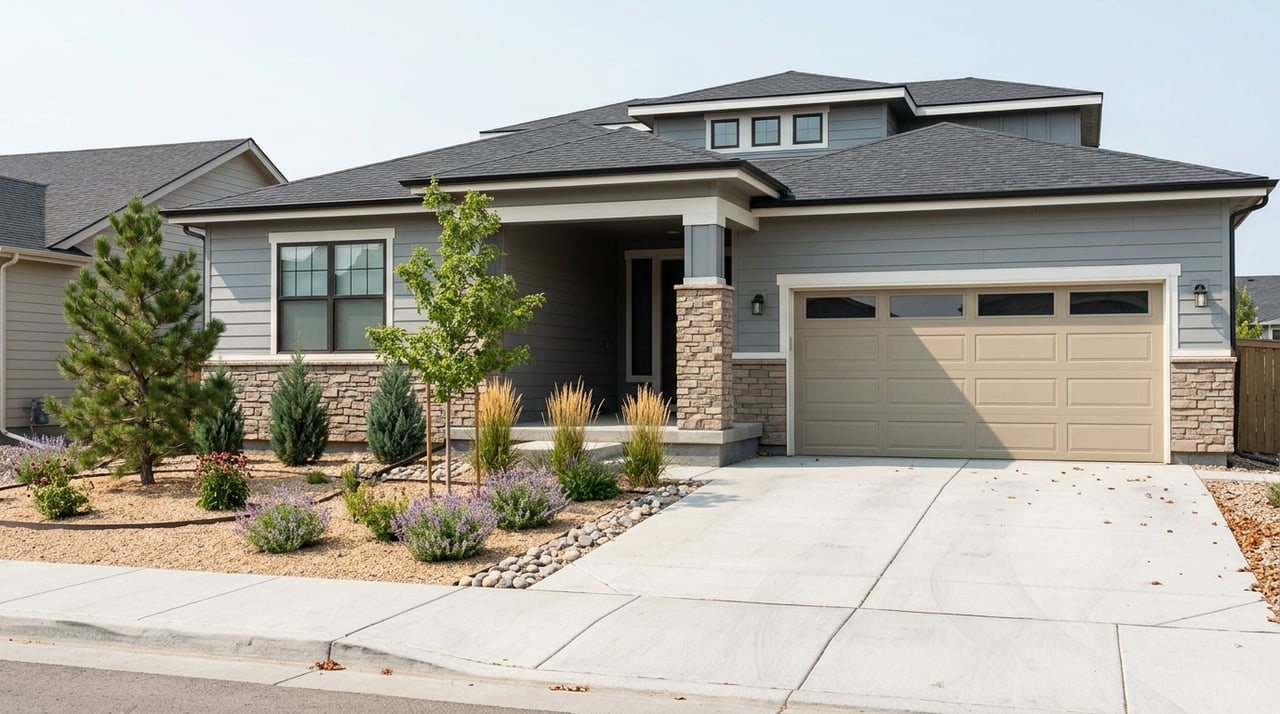
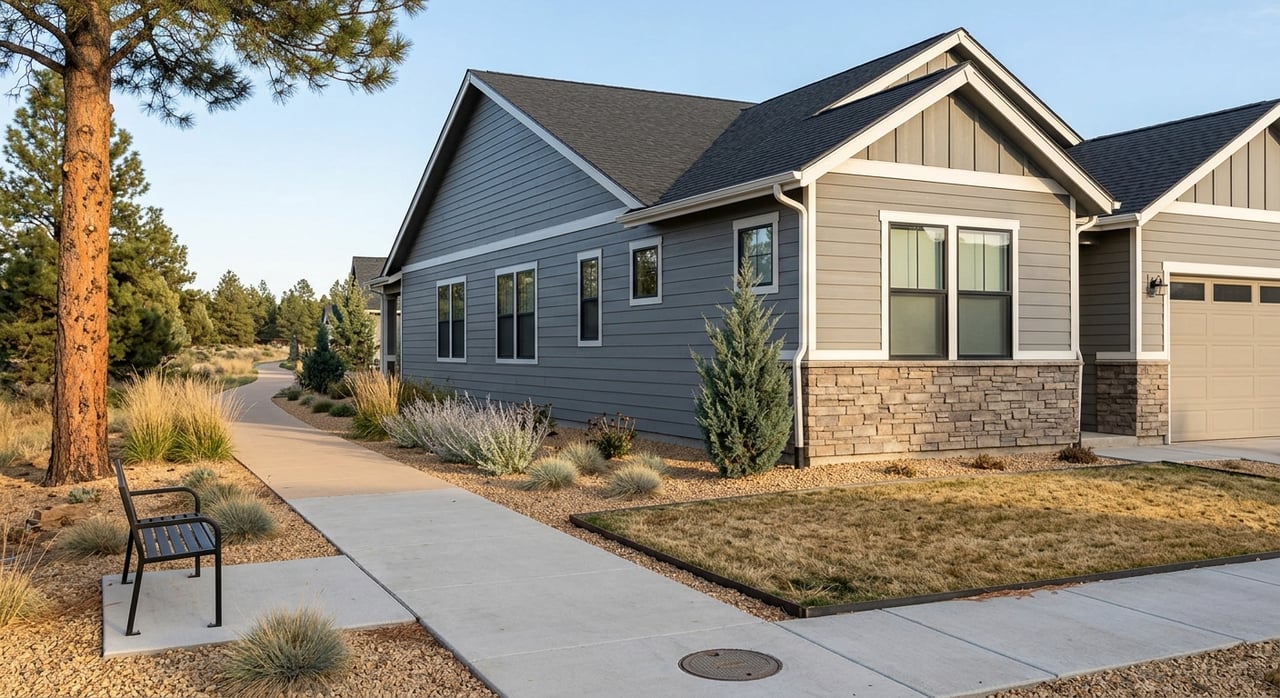
For you as a buyer, that supports a broad menu of possibilities. In practical terms, Thornton can offer lower-density detached-home areas, along with more compact attached or multifamily-style options in areas shaped by transit-oriented planning.
The key tradeoff is usually convenience versus space. Homes closest to N Line stations can offer the easiest path to Union Station and less dependence on daily driving, while homes farther from stations may give you a more suburban setting and potentially more room, but often with a longer or more car-dependent commute.
How to think about location inside Thornton
A smart home search in Thornton starts with your actual routine. If you expect to use rail several times a week, you will usually want to focus first on areas near Original Thornton/88th, Thornton Crossroads/104th, or Eastlake/124th.
That matters because Thornton’s planning work notes that half of the city’s population and land area is not currently served by transit. So while Thornton offers solid commute options, not every part of the city will feel equally convenient for someone heading into Denver on a regular basis.
You can also watch for corridor improvements that support day-to-day mobility. Thornton notes that 88th Avenue corridor work connects recreational, educational, institutional, health, transit, employment, and residential areas, while 124th Avenue is being improved as a multimodal corridor for walking and biking.
Is Thornton the right fit for you?
Thornton can make a lot of sense if you want a shorter Denver commute without centering your entire home search on Denver itself. It offers direct rail service, practical park-and-ride options, and a housing mix that can support different budgets, lifestyles, and space needs.
It is especially compelling if you are trying to balance three goals at once: better access to Denver, more suburban housing stock, and a lower median owner-occupied home value than Denver. That combination is a big reason many Front Range buyers keep Thornton on their shortlist.
If you want help comparing commute-friendly areas in Thornton with other Front Range options, Kendra Bajcar can help you narrow down the right fit based on your budget, preferred home style, and day-to-day commute needs.
FAQs
What makes Thornton a good option for a shorter Denver commute?
- Thornton offers direct access to the RTD N Line to Union Station, plus freeway-oriented park-and-ride options and a lower median owner-occupied home value than Denver based on U.S. Census data.
Which Thornton neighborhoods are most relevant for Denver commuters?
- South Thornton and Original Thornton are useful for established residential areas and road access, while Eastlake and the Thornton Crossroads/104th area are especially important for rail-oriented commuting.
Which Thornton RTD stations are most useful for Denver-bound buyers?
- Original Thornton/88th, Thornton Crossroads/104th, and Eastlake/124th are the main N Line stations to watch if your goal is easier access to Union Station.
Does Thornton have free park-and-ride parking for commuters?
- Yes. RTD lists Eastlake/124th, Original Thornton/88th, and Thornton Crossroads/104th among its free 24-hour Park-n-Rides.
Are all parts of Thornton equally convenient for public transit to Denver?
- No. Thornton’s planning documents state that half of the city’s population and land area is not currently served by transit, so location within the city matters.
What types of homes can you find in Thornton if you commute to Denver?
- Thornton’s zoning framework supports a range of housing options, from lower-density residential areas to more compact transit-oriented and mixed-use districts near stations.