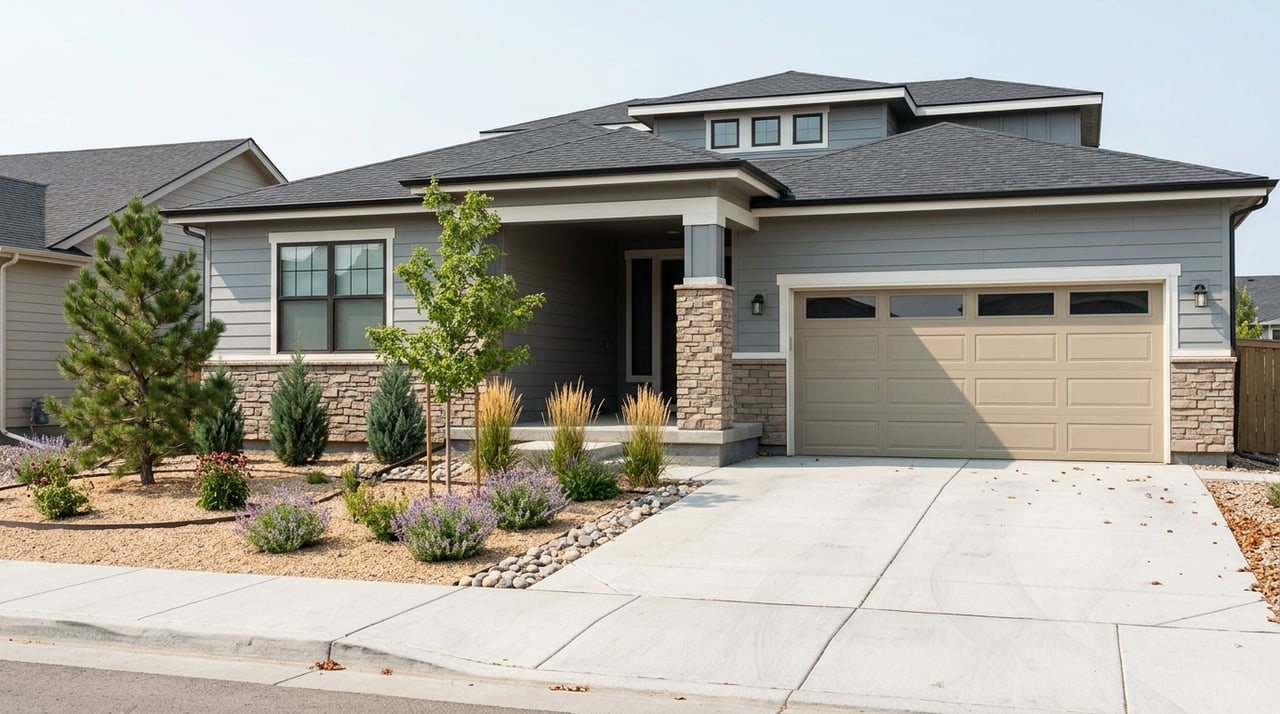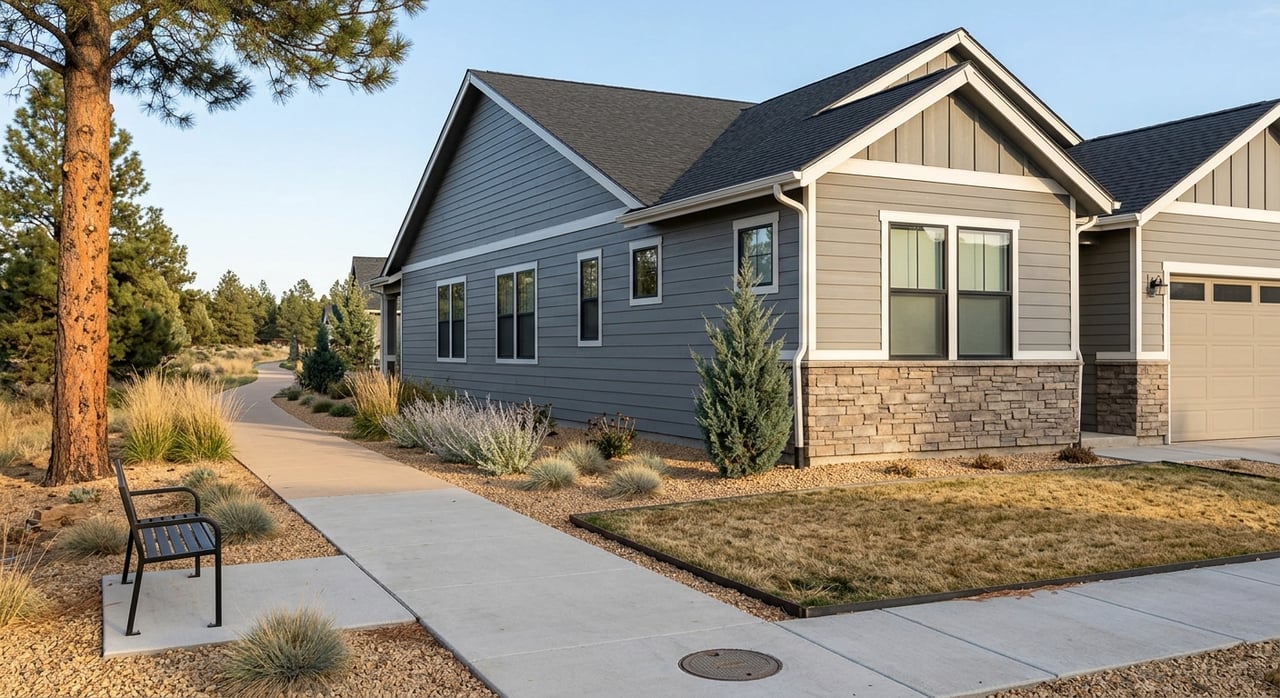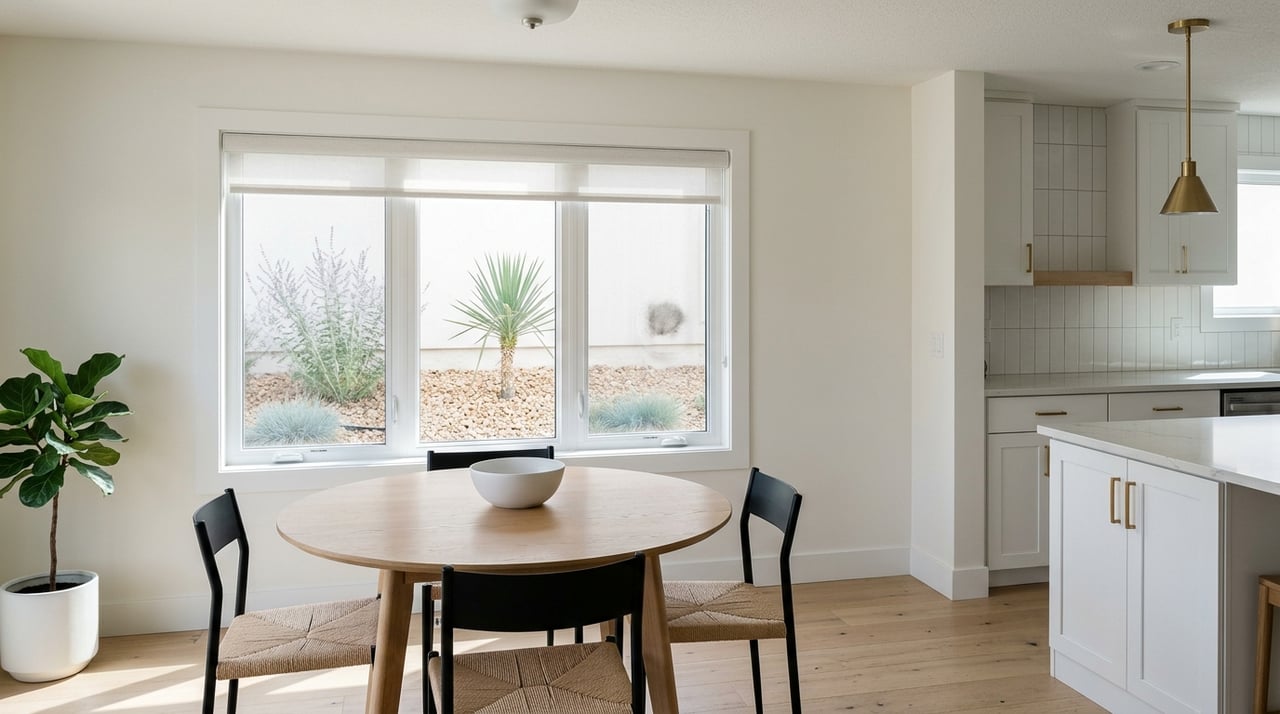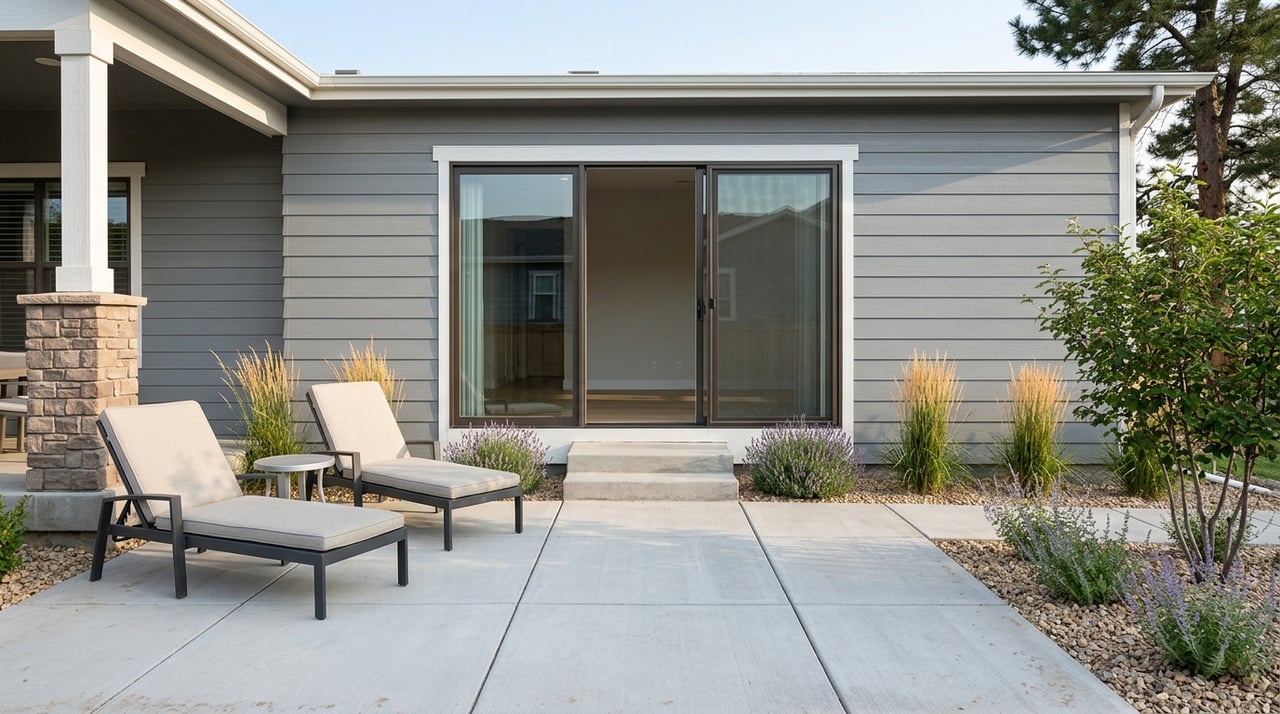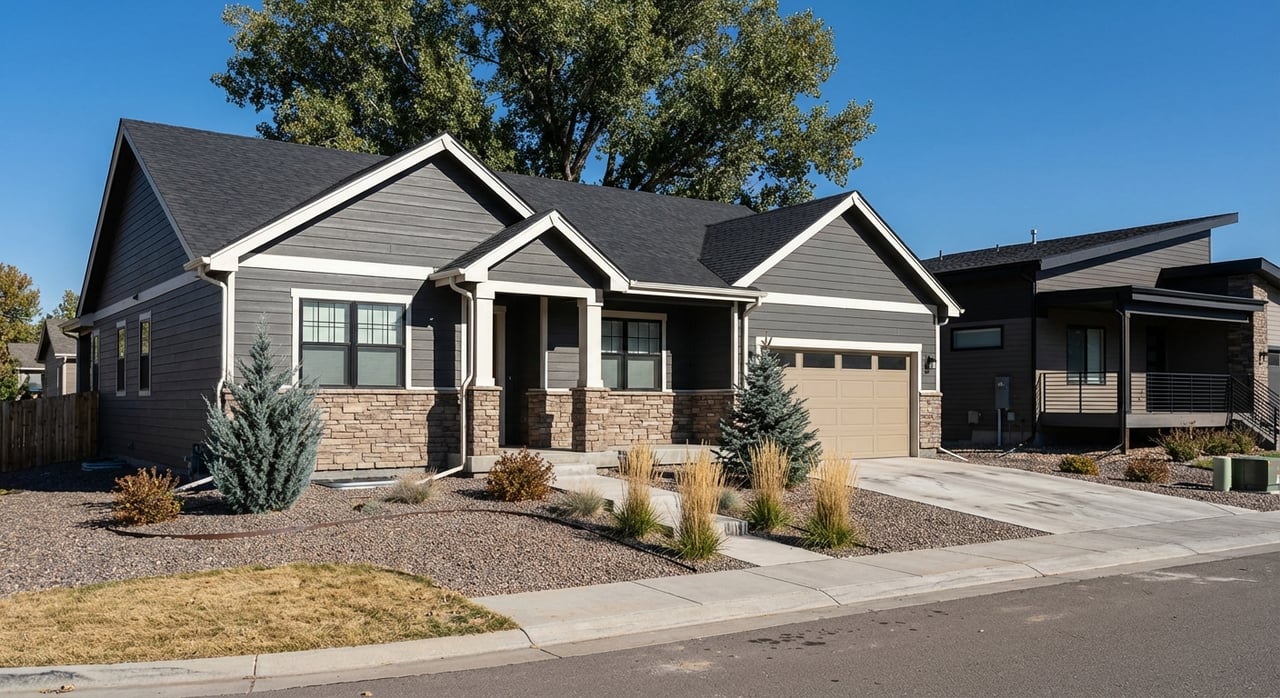
Thinking about a brand-new home in Erie? With walkable town centers, planned amenities and fresh floor plans, Erie’s new communities make it easy to picture life here. You want the right neighborhood, a clear process and a smart plan for timelines and costs. This guide walks you through the top communities, what to expect at the sales center, financing and contract basics, and a simple checklist to move forward with confidence. Let’s dive in.
Erie new construction at a glance
Erie spans parts of both Boulder and Weld counties and continues to grow with master-planned neighborhoods that add trails, parks and community gathering spaces. The town’s updated planning work guides near-term growth and supports coordinated amenities and infrastructure.
For market context, Zillow’s Erie snapshot shows typical home values in the low-to-mid $700,000s, with modest year-over-year movement. New-home collections vary widely by builder and phase, so confirm current inventory and pricing with each community’s sales office before you shop.
Town staff also connect builders and buyers with energy-efficiency rebates. If lower utility costs and modern systems rank high on your list, ask each sales team about current incentives and verify details on the Town’s rebate page in the checklist below.
Top new-construction communities in Erie
Westerly
Explore multiple builders, amenities and model homes at the 400-acre Westerly master plan. The community features a Village Center, resort-style pool, trails and a broad mix of ranch, two-story, paired and townhome options. Start with the current collections and contacts on the official builders in Westerly.
Flatiron Meadows
Positioned for buyers who want a Boulder-adjacent location, Flatiron Meadows brings together established builder partners and master-planned amenities. The neighborhood highlights convenient access and a mix of home types. Learn more on the Flatiron Meadows community page.
Colliers Hill and Erie Commons area
Colliers Hill is a suburban, amenity-forward neighborhood known for its clubhouse, pools and trail network in a master-planned setting with an HOA structure. It has hosted well-known regional and national builders across phases. See planning and community context via the CDG page for Colliers Hill / Erie Commons.
Toll Brothers at Erie Town Center
If walkability to Old Town Erie and town-center conveniences matter to you, preview Toll Brothers’ townhome and single-family collections designed around a more urban-influenced setting. Collections span entry townhomes to larger single-family footprints. Browse active offerings at Toll Brothers at Erie Town Center.
KB Home at Canyon Creek — The Nest
Looking for paired homes or approachable single-family options with selections you can tailor? KB Home’s The Nest at Canyon Creek offers attached and detached product lines with design choices and, at times, quick-move options. See examples and details for KB Home’s The Nest Villas at Canyon Creek.
What to expect at the sales center
Product types
You’ll see a range of formats in Erie: single-family detached homes on varying lot sizes, paired/duplex options, and townhomes that often bring a lower entry point. Near the town center you’ll find walkable townhome and mixed-use settings, while larger master plans offer ranch and two-story collections with community amenities.
Pricing anatomy
Builders usually advertise a base price for each floor plan. On top of that, expect a separate homesite or lot premium for location, size or views, plus costs for your design options and upgrades. Ask the sales team to outline all three parts in writing so you can compare plans apples-to-apples across communities.
Selections and upgrades
You’ll make design choices at a selection center within set windows. Upgrades can meaningfully change your final price, and late changes are often treated as chargeable change orders. Request a clear calendar for selections, cutoff dates and any change-order fees so you can plan ahead.
Timelines and move-in speed
Quick-move or spec homes that are completed or near completion can often close in roughly 30 to 60 days. Buyer-selected builds commonly run about 6 to 12 months from contract to move-in, depending on builder backlog, weather and supply timelines. Get an estimated schedule in writing and ask how delays are handled.
Financing and incentives
New construction can follow different financing paths depending on build status:
- Quick-move/spec homes often use a standard mortgage, similar to a resale purchase.
- Buyer-selected builds may use construction financing or a single-close construction-to-permanent option that bundles construction and the final mortgage. Discuss which path fits your budget and rate outlook with a lender experienced in new-build loans.
Builders also use incentives to help with affordability. Builder-industry guides show many builders offered rate buydowns, closing-cost credits or upgrade allowances in 2024 and 2025. Compare net cost across lenders, not just the headline incentive, and confirm whether any credits are tied to a preferred lender.
Key contract terms to watch
Builder contracts differ from the standard forms you may see with resales. Review these items carefully and ask for plain-English explanations before you sign:
- Lot hold and deposits. Clarify whether a lot reservation fee converts to earnest money and whether either is refundable.
- Base price vs lot premium. Confirm if the advertised home price excludes a homesite premium and what drives that number.
- Upgrade allowances and change orders. Get your selection allowances and all deadlines in writing. Understand fees for changes after cutoffs.
- Price or cost-escalation language. Some agreements allow price adjustments for unusual material or labor spikes. Ask the builder to explain any escalation clause and if there is a protection date. A reference on contract pitfalls is summarized in this consumer lending resource.
- Financing contingencies and preferred lenders. Builders may offer incentives if you use their affiliated lender. Compare outside quotes and confirm whether any incentives depend on using the preferred lender.
- Closing date and occupancy. Ask how completion dates are set, what happens if there are delays, and whether temporary occupancy is ever allowed.
A short comparison worksheet helps. List refundable vs nonrefundable deposits, everything included in the base home, your selection calendar, warranty details and any escalation or lender requirements you need to meet.
Inspections, walkthroughs and warranties
Most builders schedule key checkpoints: a pre-drywall visit to review framing and systems, a final walkthrough before closing to create a punch list, and a 10 to 12 month warranty walkthrough to catch settlement items. Ask if third-party inspections are allowed and how to schedule them so they align with build stages.
Warranty programs vary by builder, but many production homes come with layered coverage often described as 1-year workmanship, 2-year systems and 10-year structural. Insurance-backed providers like 2-10 Home Buyers Warranty are common. Request the full warranty booklet before closing and save the claim instructions for easy access.
New construction vs resale in Erie
Here is a quick side-by-side to help you focus your search:
Pros of new construction
- Modern layouts and energy-efficient systems that can lower utility costs
- Fewer immediate maintenance needs and a builder warranty
- Ability to personalize finishes and, in many master plans, access to community amenities
Pros of resale
- Immediate availability and often more room to negotiate
- Established neighborhoods that may be closer to existing town centers
- Mature landscaping and, at times, larger lots or unique architectural character
Your best path depends on timeline, budget, commute needs and whether customization or location ranks higher. If you are on a tight schedule, quick-move homes can strike a balance between new features and faster closings.
Local checklist for Erie buyers
Use this punch-list to compare builders and keep your purchase on track:
- Confirm jurisdiction. Erie spans Boulder and Weld counties. Ask your sales team which county your lot is in and how that affects utilities and taxes.
- Verify schools. Many addresses are served by St. Vrain Valley School District and some pockets by Boulder Valley. Confirm assigned schools for the specific homesite before you sign.
- Review HOA documents. Request the HOA budget, CC&Rs and a summary of included services such as landscaping, pool access and snow removal.
- Price breakdown in writing. Ask for base price, homesite premium and a preliminary options estimate so you can track total cost.
- Selection calendar. Get firm deadlines for design choices and change-order rules.
- Energy incentives. Ask about current rebates and verify details on the Town’s Rebates for New Construction page.
- Permit and inspection process. For non-standard features or timing questions, see the Town’s Planning & Development resources and coordinate with your builder.
- Walkthrough plan. Schedule pre-drywall, final walkthrough and a 10 to 12 month warranty visit before your closing date.
- Compare incentives. Evaluate rate buydowns and credits among lenders. Focus on your total monthly payment and cash to close.
- Backup plan for timing. If you are selling a current home, think through a rent-back or interim housing in case your completion date shifts.
Ready to compare floor plans, timelines and net costs across Erie’s leading communities? Reach out to Kendra Bajcar for a tailored plan, on-the-ground guidance and contract-savvy support from offer to close.
FAQs
How long does a new home in Erie take to build?
- Typical buyer-selected builds run about 6 to 12 months from contract to move-in, while move-in ready spec homes often close in 30 to 60 days; always get the builder’s schedule in writing.
What warranties come with new construction in Erie?
- Many production builders offer layered 1-year workmanship, 2-year systems and 10-year structural coverage, often through providers like 2-10 Home Buyers Warranty; ask for the booklet before closing.
Do I need a buyer’s agent for a new build?
- Yes. A local agent can explain the builder’s contract, compare incentives and timelines, and help you track selections and walkthroughs; disclose any preferred-lender or broker relationships.
Are builders offering incentives right now?
- Many builders have used rate buydowns, closing-cost help or upgrade credits in 2024 and 2025; compare net cost across lenders and verify whether incentives require using a preferred lender.