Buying in Johnstown is not just about choosing a house. It is about choosing how much certainty, customization, and long-term cost you want in a town that is still actively growing and planning its future. If you are weighing a brand-new build against a resale home, you are likely trying to balance timing, budget, neighborhood feel, and monthly payment. This guide will help you compare both paths in a practical way so you can make a more confident move in Johnstown. Let’s dive in.
Why This Choice Matters in Johnstown
Johnstown is in a growth phase, and that shapes your decision. The town is working on a Housing Needs Assessment and Action Plan, a Strategic Growth Element, a Water Element, and planning efforts tied to downtown and parks.
That means you are not comparing two fixed options in a static market. You are comparing homes in a community that is still evolving, which can affect everything from neighborhood feel to future costs and convenience.
Local market data also suggests Johnstown is active and somewhat competitive. Depending on the source, recent median price and days-on-market figures vary, but the big picture is clear: both new construction and resale homes are moving, and neither path should be treated as automatic or instant.
New Construction in Johnstown
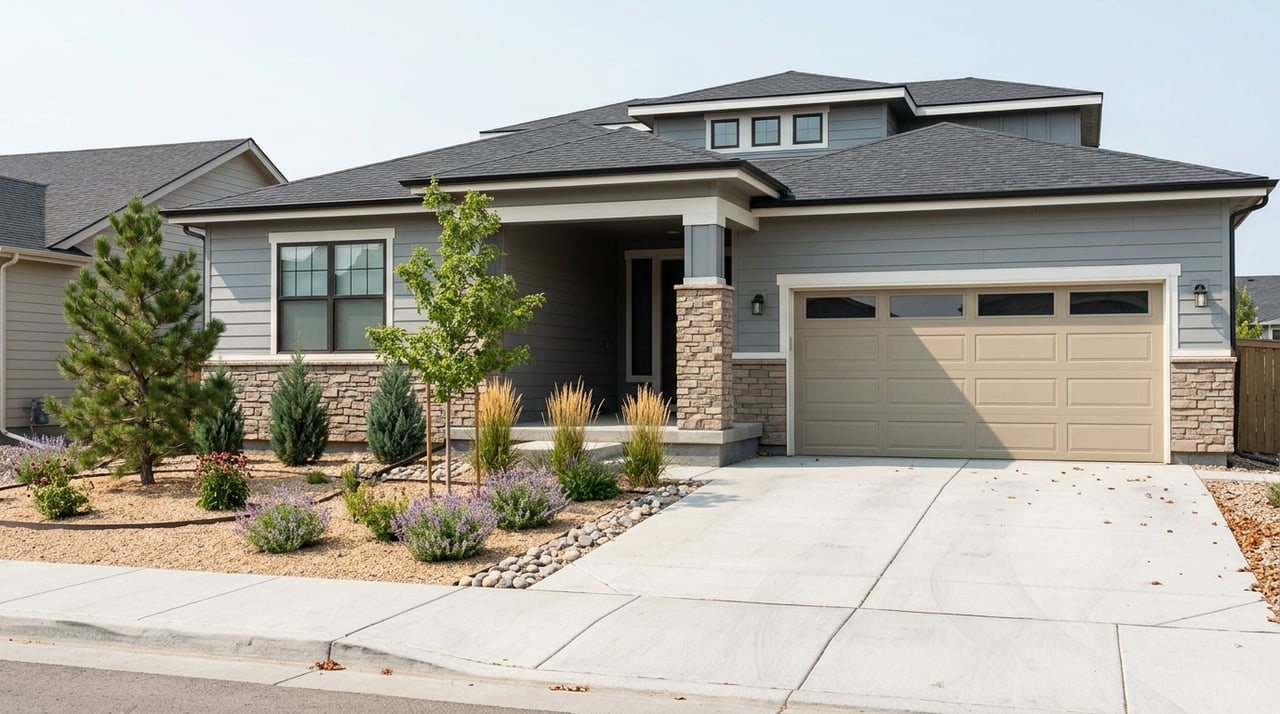
New construction often appeals to buyers who want a fresh start. You may like the idea of new finishes, a more planned setting, and fewer immediate repair concerns.
In Johnstown, though, the process is usually more involved than many buyers expect. The town’s Planning & Development Department reviews things like annexations, zoning changes, subdivisions, and site plans, and many projects must have approvals and finalized agreements before permits are submitted.
A new home also is not truly ready until final inspections are complete and a certificate of occupancy is issued. If a parcel is affected by floodplain rules, a separate floodplain development permit is required before a building permit can be issued.
What Buyers Often Like About New Builds
A new home can offer a cleaner, more predictable finish package, especially if you go under contract early enough to make some design selections. Depending on the construction stage, you may be able to choose items like flooring, appliances, or other finishes before the home is complete.
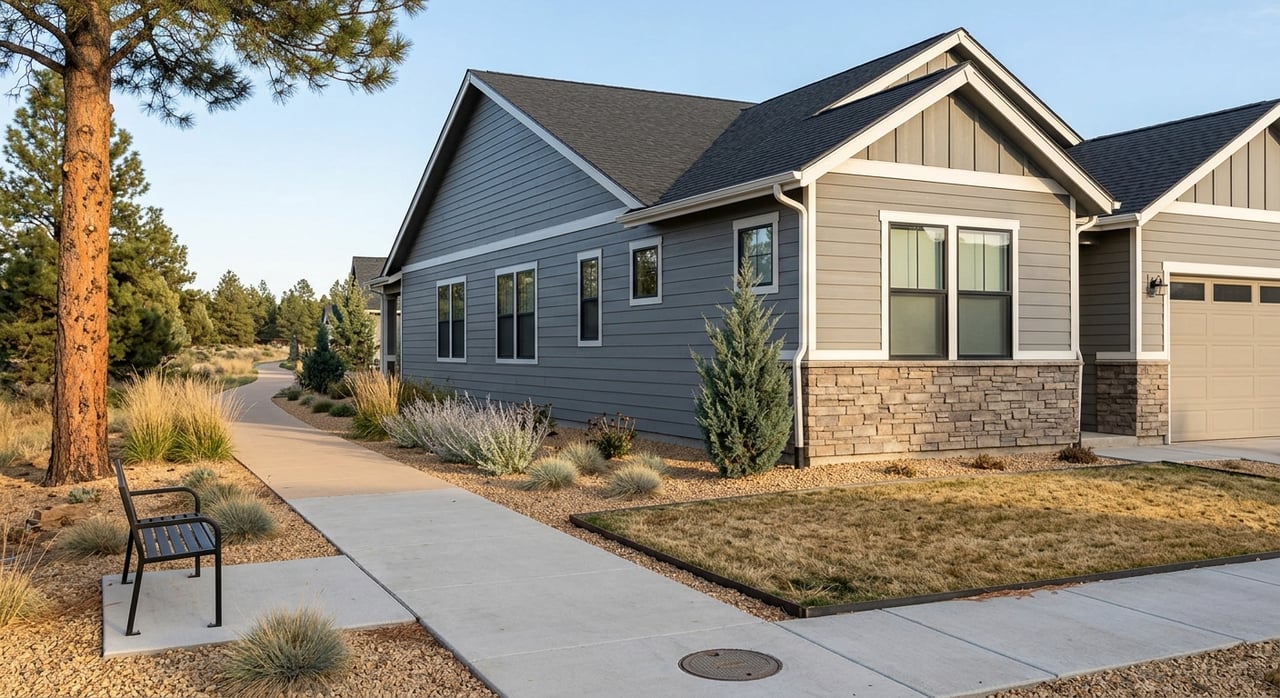
Newer subdivisions in Johnstown may also feel more coordinated in layout and appearance. The town’s residential code emphasizes neighborhood design, open space, blocks and lots, circulation, and landscape standards, which helps explain why many newer communities feel more master-planned.
Where New Construction Can Get Tricky
The advertised base price may not reflect the full cost of getting to move-in day. Johnstown requires a 3.5 percent use tax on construction materials and lists development, tap, plan-review, and impact fees for new residential permits.
The town also notes that fire and school district impact fees must be paid directly to those districts before certificate of occupancy. For you as a buyer, the practical lesson is simple: ask for a clear all-in cost estimate, not just the builder’s starting price.
Builders may also ask for an upfront deposit if the home is not yet built. And while a builder may have an affiliated lender, you can still shop around for financing.
New Construction Timeline Expectations
If you need a home by a certain date, timing matters. New construction can involve builder schedules, local approvals, inspections, and final sign-offs before occupancy.
That does not mean a new build is the wrong choice. It simply means you should expect more moving parts than you might have with a resale purchase that is already complete and available.
Resale Homes in Johnstown
Resale homes are usually easier to evaluate in real time. You can see the actual house, walk the street, and get a clearer feel for the surrounding neighborhood before you close.
For many buyers, that visibility lowers uncertainty. You are not choosing from plans or renderings. You are choosing a home that already shows how it lives day to day.
What Buyers Often Like About Resale
With a resale home, you can often move more quickly if the property is available and your contract timeline stays on track. You can also make your offer contingent on financing and a satisfactory inspection.
An inspection gives you a chance to evaluate the structure, systems, needed repairs, and remaining useful life of major components. That can be especially valuable if you want a clearer picture of condition at closing.
Resale can also give you a more established setting. Some buyers prefer mature landscaping, a more settled streetscape, or the ability to see how the neighborhood has aged over time.
Where Resale Can Get Tricky
The tradeoff is that resale homes may come with deferred maintenance, older finishes, or repair needs that are not obvious at first glance. A home can show well online and still have system or upkeep issues that matter once you dig deeper.
If the home is in an HOA, your due diligence matters there too. Colorado guidance encourages buyers to look for signs of physical decay, ask about special assessments, review CC&Rs, and find out whether the HOA has been able to satisfy lender questionnaire requests.
That is especially important in more established areas, including parts of Johnstown near the historic downtown core, where ongoing town improvements may add appeal but where buyers still need to review the property and community details carefully.
Comparing Total Cost, Not Just Price
In Johnstown, this may be the most important part of the decision. A home’s purchase price is only one piece of the picture.
Your true cost may also include HOA dues, metro district taxes, special assessments, construction-related fees, and other location-specific charges. Two homes with similar prices can lead to very different monthly costs.
New Construction Costs to Ask About
When you tour a new community, ask what is included in the listed price and what is extra. You will want clarity on upgrades, lot premiums, use tax, impact-related fees, and any costs that must be paid before occupancy.
This matters because Johnstown’s fee schedule includes a 3.5 percent use tax on construction materials, along with possible location-based and development-related fees. If you do not ask early, your budget can shift faster than expected.
Metro District Taxes in Johnstown
Metro districts are a major factor in the Johnstown area. Weld County property tax bills include all taxing entities associated with a property, such as metro districts, school districts, fire districts, and library districts.
Because each tax area is a unique combination of taxing authorities, two Johnstown homes with the same purchase price may have very different tax bills. For newly constructed homes in a metro district, Colorado law also requires the seller to provide a current tax certificate or tax statement estimating the additional overlapping property taxes.
Special Assessments and HOA Costs
Special assessments can also affect your ownership costs. Weld County notes that special assessments are due with real estate property taxes.
On the HOA side, Colorado law requires certain records to be available, including sale-related fees, financial statements, reserve fund balances, insurance policies, and meeting minutes. Reviewing those documents can help you understand whether the community appears financially stable or whether there may be future cost concerns.
Warranty and Condition Differences
One reason buyers lean toward new construction is warranty protection. In Colorado, courts recognize an implied warranty that a builder-vendor’s new home was built in a workmanlike manner and is suitable for habitation.
For FHA-insured new construction, there is also a one-year Warranty of Completion of Construction covering defects in workmanship, materials, or equipment, beginning at title transfer, completion, or occupancy. Those protections can add peace of mind, but you should still read the builder contract carefully.
With resale, your protection usually comes more from inspection and contract terms than from builder warranty coverage. That makes inspections, repair negotiations, and document review especially important.
Which Option Fits Your Goals?
The right answer depends on what matters most to you.
If you want new finishes, possible design choices, and a more planned setting, new construction may be the better fit. If you want a faster move, a visible neighborhood, and a clearer picture of the actual home condition before closing, resale may feel more comfortable.
Neither option is automatically better in Johnstown. The smarter comparison is between your timeline, your tolerance for uncertainty, and your total monthly and long-term costs.
Smart Questions to Ask Before You Decide
Before you choose between new construction and resale in Johnstown, ask these questions:
- How soon do you need to move?
- Do you want to pick finishes, or do you want to see the exact home before you commit?
- What is the full monthly cost once HOA dues, property taxes, metro district taxes, and special assessments are included?
- If you are buying new, what is included in the builder price and what costs extra?
- If you are buying resale, what does the inspection reveal about systems, repairs, and future maintenance?
- What HOA documents are available, and do they raise any concerns about reserves or special assessments?
- Is the property located in a metro district, and how does that affect long-term affordability?
These questions can help you compare homes on real-world terms, not just on photos or headline prices.
If you are trying to sort through Johnstown neighborhoods, builder communities, resale opportunities, and the numbers behind each option, working with a local guide can make the process much clearer. Kendra Bajcar can help you compare total cost, timing, and neighborhood fit so you can move forward with confidence.
FAQs
Should you choose new construction or resale in Johnstown if you need to move quickly?
- Resale homes often offer a more predictable path to occupancy because the home already exists, while new construction may depend on approvals, permits, inspections, and final certificate of occupancy timelines.
What extra costs should you ask about in a Johnstown new construction purchase?
- Ask about lot premiums, upgrades, the 3.5 percent use tax on construction materials, development-related fees, tap or plan-review fees, HOA dues, and any fire or school district fees tied to occupancy.
How do metro district taxes affect a home purchase in Johnstown?
- Metro district taxes can significantly change your total monthly and annual housing cost, and two similarly priced homes in Johnstown can have different tax bills based on their taxing entities.
What should you review from an HOA before buying a Johnstown home?
- Review sale-related fees, financial statements, reserve fund balances, insurance policies, meeting minutes, CC&Rs, and any signs that special assessments or deferred maintenance could become an issue.
How is a resale home inspection helpful for buyers in Johnstown?
- A resale inspection can help you evaluate the home’s structure, systems, repair needs, and remaining useful life of major components so you have a clearer picture of condition before closing.
What warranty protections may apply to a new home in Colorado?
- Colorado recognizes an implied warranty for builder-vendor homes, and FHA-insured new construction may also include a one-year Warranty of Completion of Construction for defects in workmanship, materials, or equipment.