Trying to choose between Mead, Longmont, and Frederick? You are not alone. These three Northern Colorado communities sit close enough to compare, but they offer very different day-to-day experiences in price, commute, housing, and overall feel. If you are weighing where you might feel most at home, this guide will help you compare the facts and narrow in on your best fit. Let’s dive in.
Why these three feel different
Even though Mead, Longmont, and Frederick all sit along the Northern Front Range, they land in different spots on the lifestyle spectrum. According to recent Census estimates, Mead has 6,735 residents, Frederick has 17,937, and Longmont has 99,818, which creates a very different sense of scale from one community to the next.
That difference shows up in everyday life. Mead feels more small-town and commuter-oriented, Frederick offers a suburban-small-town setting, and Longmont brings the biggest mix of amenities, housing choices, and activity. If you are deciding where to live, those differences matter just as much as price.
Compare Mead, Longmont, and Frederick
Here is a quick side-by-side look at some of the biggest decision points.
| Community | Population | Recent Median Sale Price | Mean Commute | Owner-Occupancy |
|---|---|---|---|---|
| Mead | 6,735 | $563,156 | 30.6 minutes | 93.7% |
| Longmont | 99,818 | $516,250 | 24.5 minutes | 62.5% |
| Frederick | 17,937 | $472,000 | 32.0 minutes | 95.0% |
These numbers show a clear pattern. Mead is the smallest and highest-priced of the three in recent median sale price data. Longmont sits in the middle on price while offering the shortest average commute. Frederick comes in with the lowest recent median sale price and the highest owner-occupancy rate.
Mead: Small town with corridor access
If you want the smallest-town feel of the three, Mead stands out right away. The town highlights its location on I-25 and Highway 66, and its town profile notes traffic counts above 80,000 daily with access to Denver or Fort Collins in about 30 minutes under typical conditions.
That regional access is a big part of Mead’s identity. Census data shows a 30.6-minute mean commute, and local transportation materials describe Mead as heavily commuter-oriented, with 97% of working residents commuting out of town and 79% driving alone.
What housing looks like in Mead
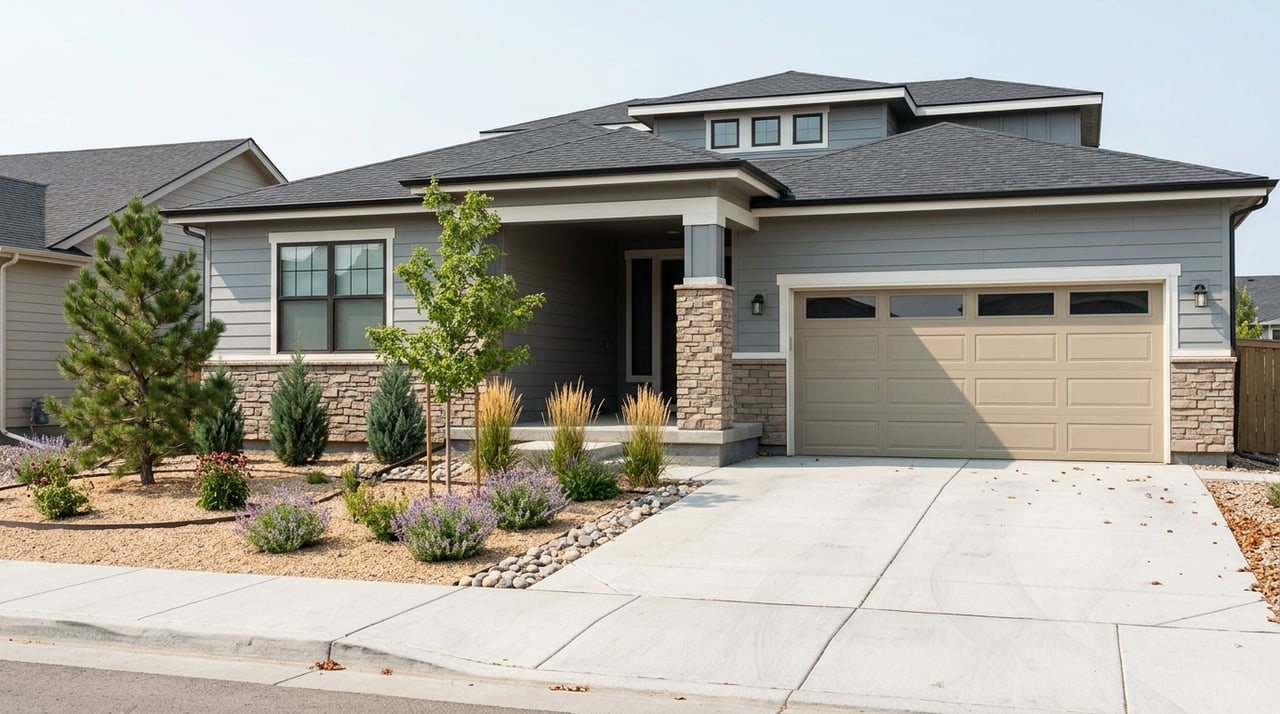
Mead’s housing profile leans strongly toward low-density living. Town planning materials describe limited townhome supply and identify large-lot, rural-residential areas as estate-style single-family development, which supports the area’s more open, less dense feel.
That can be a plus if you want a market centered on detached homes and a strong owner-occupied base. Mead’s owner-occupancy rate is 93.7%, and its recent median sale price is $563,156.
What everyday life feels like in Mead
Mead’s official messaging focuses on a friendly small-community atmosphere, open space, parks, and recreation. The town also highlights amenities like disc golf, picnic areas, tennis, and a new community center that opened in 2025.
If your goal is a quieter setting with easy corridor access and a close-knit community feel, Mead may be the strongest match. It tends to appeal to buyers who want a more compact town footprint while staying connected to larger employment centers.
Longmont: More options and more activity
Longmont is the largest and most urban of the three, and that scale creates more variety. The city describes itself as diverse, multicultural, and welcoming, and its downtown Main Street area is positioned as a cultural and geographic center with a blend of historic and newer residential, office, and commercial uses.
Longmont also has the shortest mean commute in the group at 24.5 minutes, according to Census QuickFacts. That shorter average commute can make a real difference if convenience and time savings are high on your list.
What housing looks like in Longmont
Longmont offers the most varied housing mix among these three communities. The city’s housing resources emphasize inclusive and affordable housing, and local planning efforts point toward a broader share of non-single-family detached housing.
That variety can matter if you are comparing townhomes, attached options, or different price points alongside traditional single-family homes. Longmont’s recent median sale price is $516,250, which places it between Mead and Frederick in this comparison.
What everyday life feels like in Longmont
If amenities matter, Longmont has the broadest offering of the three. The city highlights its greenway and trail system, active public art, and a strong downtown identity.
Longmont also stands out for transportation choices. Regional connections include the Firestone-Longmont Hub served by Bustang and the FLEX route connecting Longmont with Fort Collins, Loveland, and Berthoud. If you want more transit access, more housing variety, and a bigger city feel without moving too far south, Longmont may check the most boxes.
Frederick: Value and a traditional suburban feel
Frederick often attracts buyers looking for a balance of price and familiarity. It has a smaller-town atmosphere than Longmont, but it is larger than Mead, which can make it feel like a middle ground for buyers who want a suburban setting with room to spread out.
Of the three communities, Frederick has the lowest recent median sale price at $472,000. It also has a very high owner-occupancy rate of 95.0%, which points to a strongly ownership-based housing market.
What housing looks like in Frederick
Frederick remains overwhelmingly single-family in character. Town documents indicate that about 95% of the housing stock is single-family, though planning materials also point to townhomes, duplexes, and maintenance-free housing as part of the community’s long-term housing mix.
For many buyers, that means Frederick feels familiar and straightforward. If you are looking for a community where detached homes still define the market, Frederick may feel like a natural fit.
What everyday life feels like in Frederick
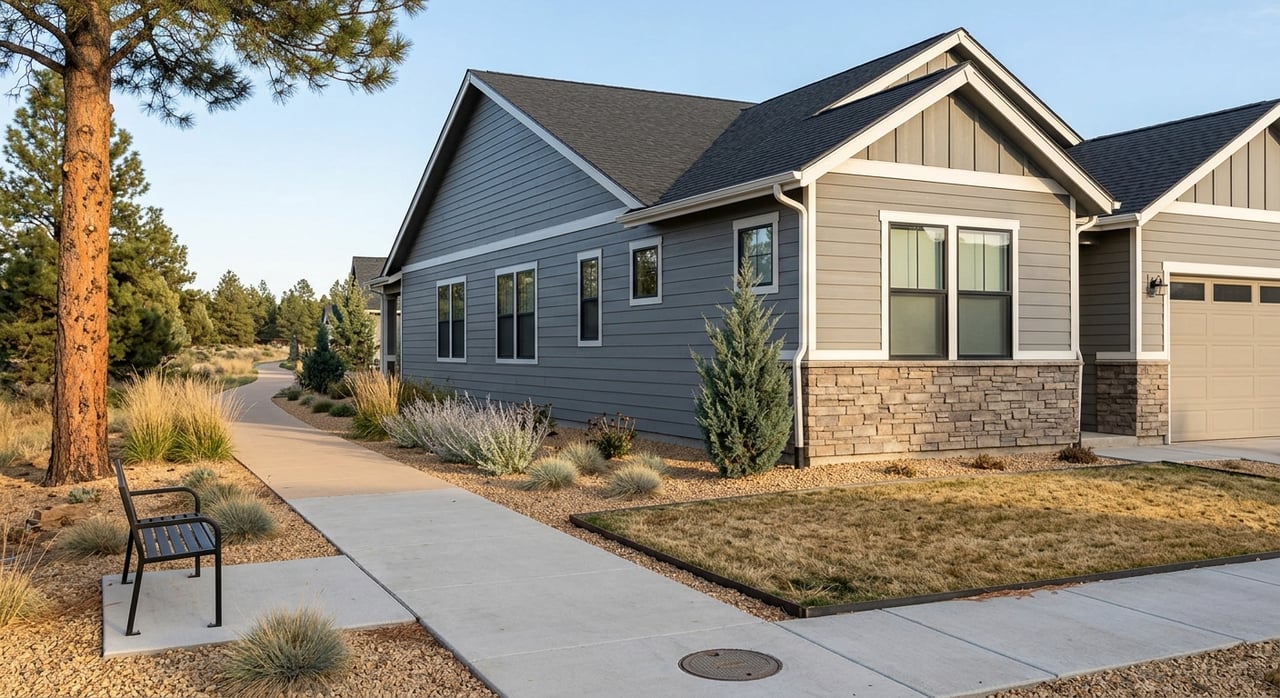
Frederick describes itself as a small-town community with a historic downtown, parks, open space, and trails. The town’s planning vision emphasizes connected parks and green space that support neighborhood cohesiveness and everyday recreation.
The tradeoff is commute time. Frederick has the longest mean commute of the three at 32.0 minutes, and town transportation planning notes that most residents commute outside the community, with more than half traveling over 30 minutes to work.
How to choose your best fit
The right choice depends on what matters most in your daily routine. Price, housing type, commute, and community scale all play a role, but not everyone weights those factors the same way.
Here is a simple way to think about it:
Choose Mead if you want
- The smallest-town feel of the three
- Strong owner-occupancy
- A low-density setting with mostly single-family housing
- Direct I-25 and CO 66 access
- A recreation-centered, close-knit community feel
Choose Longmont if you want
- The shortest average commute
- More transit connections and regional mobility
- A larger downtown and more amenities
- A broader mix of housing types
- A more urban and active day-to-day environment
Choose Frederick if you want
- The lowest recent median sale price in this group
- Very high owner-occupancy
- A traditional suburban-small-town setting
- A market still centered on single-family homes
- Parks, trails, and open space with a quieter community feel
A few smart questions to ask yourself
Before you choose between these communities, it helps to step back from listing photos and think about your routine. A home can be a great fit on paper and still feel off if the location does not support how you actually live.
Ask yourself:
- How often will you commute, and in which direction?
- Do you want more housing options, or are you mainly focused on detached homes?
- Is your budget better aligned with Mead, Longmont, or Frederick’s recent price positioning?
- Do you want a smaller-town atmosphere or a larger city with more amenities?
- How important are trails, parks, downtown activity, or transit access in your weekly life?
Those answers usually make the decision clearer. Once you know what tradeoffs you are willing to make, the best fit tends to stand out.
The bottom line
Mead, Longmont, and Frederick are all strong options, but they serve different priorities. Mead leans smaller, quieter, and corridor-focused. Longmont offers the most variety, amenities, and transit support. Frederick stands out for value and a traditional suburban-small-town feel.
If you want help comparing homes, neighborhoods, and lifestyle tradeoffs across Northern Colorado, connect with Kendra Bajcar. You will get local guidance, clear communication, and a practical plan for finding the community that fits you best.
FAQs
How does Mead compare to Longmont and Frederick for commute patterns?
- Mead has a 30.6-minute mean commute, Longmont has the shortest at 24.5 minutes, and Frederick has the longest at 32.0 minutes. Mead and Frederick are both strongly commuter-oriented, while Longmont offers more transit connections.
Which community has the lowest home prices among Mead, Longmont, and Frederick?
- Based on the recent median sale prices in the research, Frederick is lowest at $472,000, followed by Longmont at $516,250 and Mead at $563,156.
What is the housing mix like in Mead, Longmont, and Frederick?
- Mead and Frederick are both more heavily centered on single-family homes, while Longmont has the broadest mix of housing types, including more non-single-family options.
Which community feels most urban: Mead, Longmont, or Frederick?
- Longmont is the most urban and amenity-rich of the three, with a larger downtown, public art, greenways, and more housing and transportation options.
Is Frederick or Mead better if you want a smaller-town feel in Northern Colorado?
- Mead offers the smallest-town feel of the three based on population and development pattern, while Frederick still feels small-town but with a larger suburban footprint and a lower recent median sale price.